Cameron has been awarded an "Outstanding Achievement Award" for his work on the uranocenium cation
Pushing oxidation-state limits in the f-block.
Latest news
What the group has been up to
The group celebrates a bumper crop of f-element publications through multiple extensive collaborative efforts: Uranocenium – The bis-[8]annulene Uranium Cation, out in Nature Communications. Pulsed hyperfine EPR study of formally divalent rare earth (scandium, yttrium, lanthanum) arene complexes, out in Chemical Communications. Resonant inelastic X-ray scattering covalency analysis reveals non-Aufbau electronic configurations in low-valent lanthanides, out in JACS.
Conrad delivered a seminar at the University of Trieste, hosted by Prof. Enzo Allesio. Many thanks for the warm hosting!
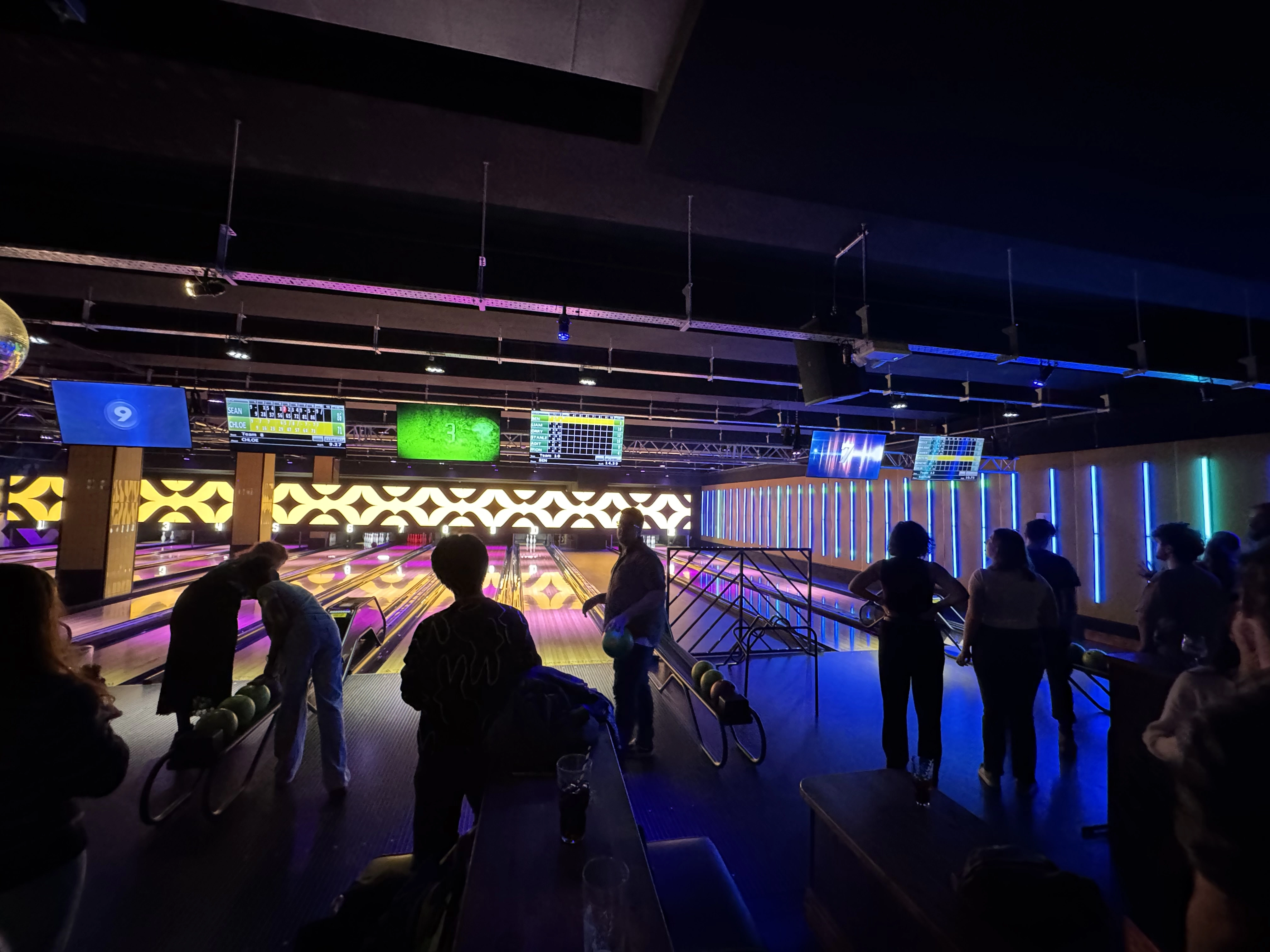
The group goes bowling with the Oakley group and several adventurous Liddle groupers
Elliot Thaw joins the group for the final year of his integrated MChem course, welcome Elliot!
The group welcomes Ben "Benchem" Mullock back to start a PhD after a very successful MChem project.
What we do
Chemistry at the bottom of the periodic table
We are the Goodwin Group in the Department of Chemistry at The University of Manchester, working to further our understanding of the f-block elements — the lanthanides and actinides.
We predominantly focus on non-aqueous chemistry to realise well-defined coordination geometries with which to stabilise highly reactive oxidation states and bonding motifs. By understanding the link between metal coordination environment and electronic structure, we aim to tune the physicochemical properties of f-block ions and direct them toward new chemistry and quantum properties.
Recent work
Newest publications
-
Uranocenium – The bis-[8]annulene Uranium Cation
Nat. Commun. 2026 17, 10914. DOI: 10.1038/s41467-026-77066-2. Preprint here: https://doi.org/10.26434/chemrxiv.15000008/v1
-
Chem. Commun. 2026 In Press.
-
Coherent manipulation of Zr(III) aryloxide qudits
Nat. Chem. 2026 In Press.
-
J. Am. Chem. Soc., 2026, 148, 44310–44322. DOI: 10.1021/jacs.6c11285. Preprint here: https://doi.org/10.26434/chemrxiv.15004309/v1.
The group
Who we are
12 researchers across postdoctoral, postgraduate and undergraduate positions — plus 17 alumni.
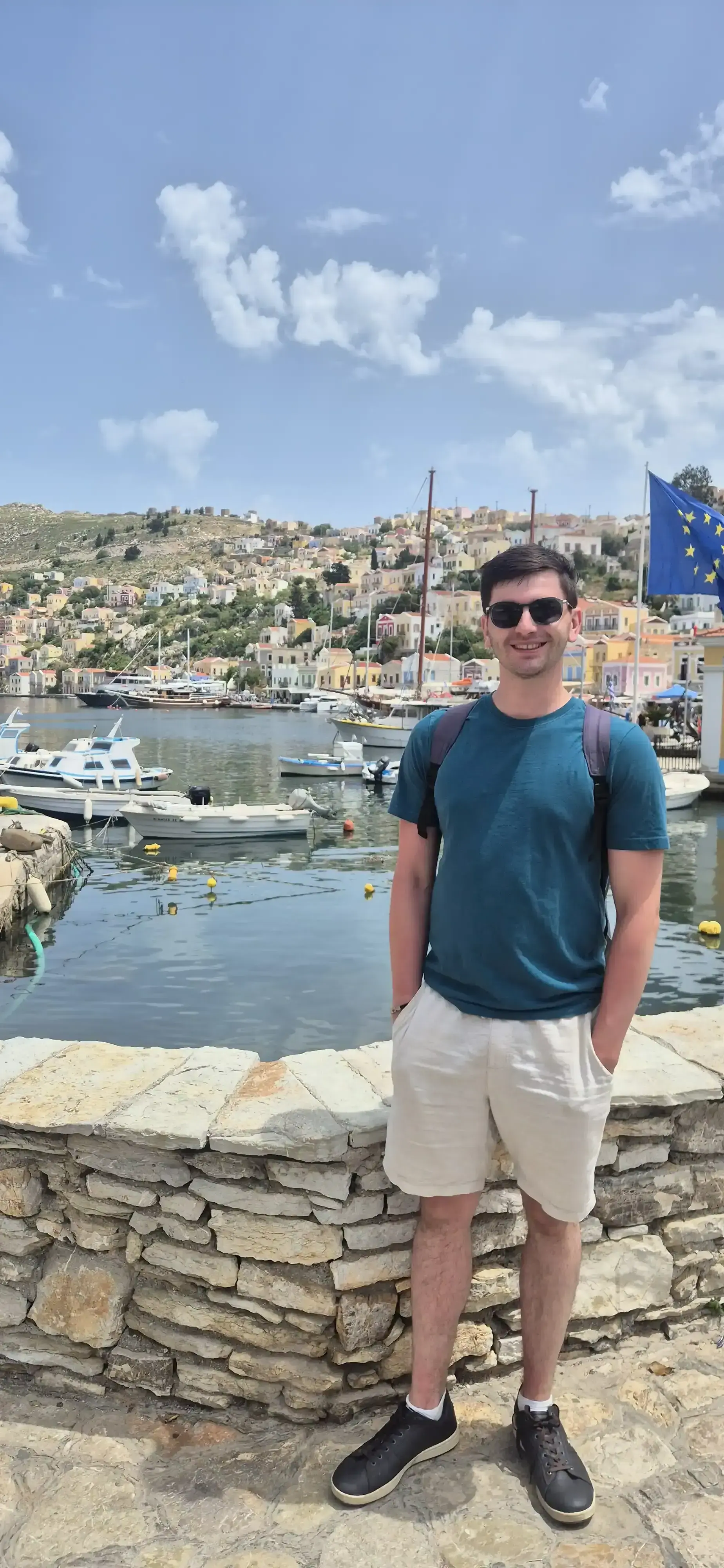
Ross MacKenzie
April 2026 – Present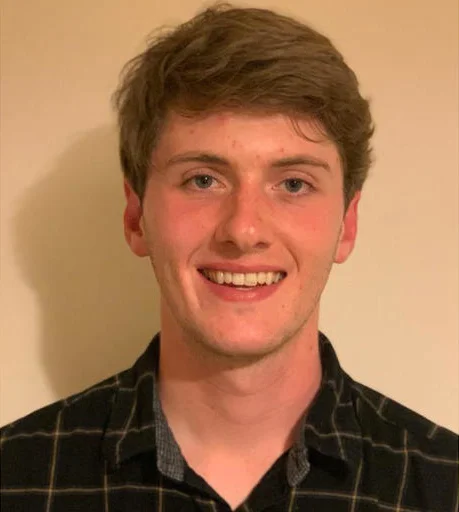
Dr Liam Griffin
Sept. 2024 – Present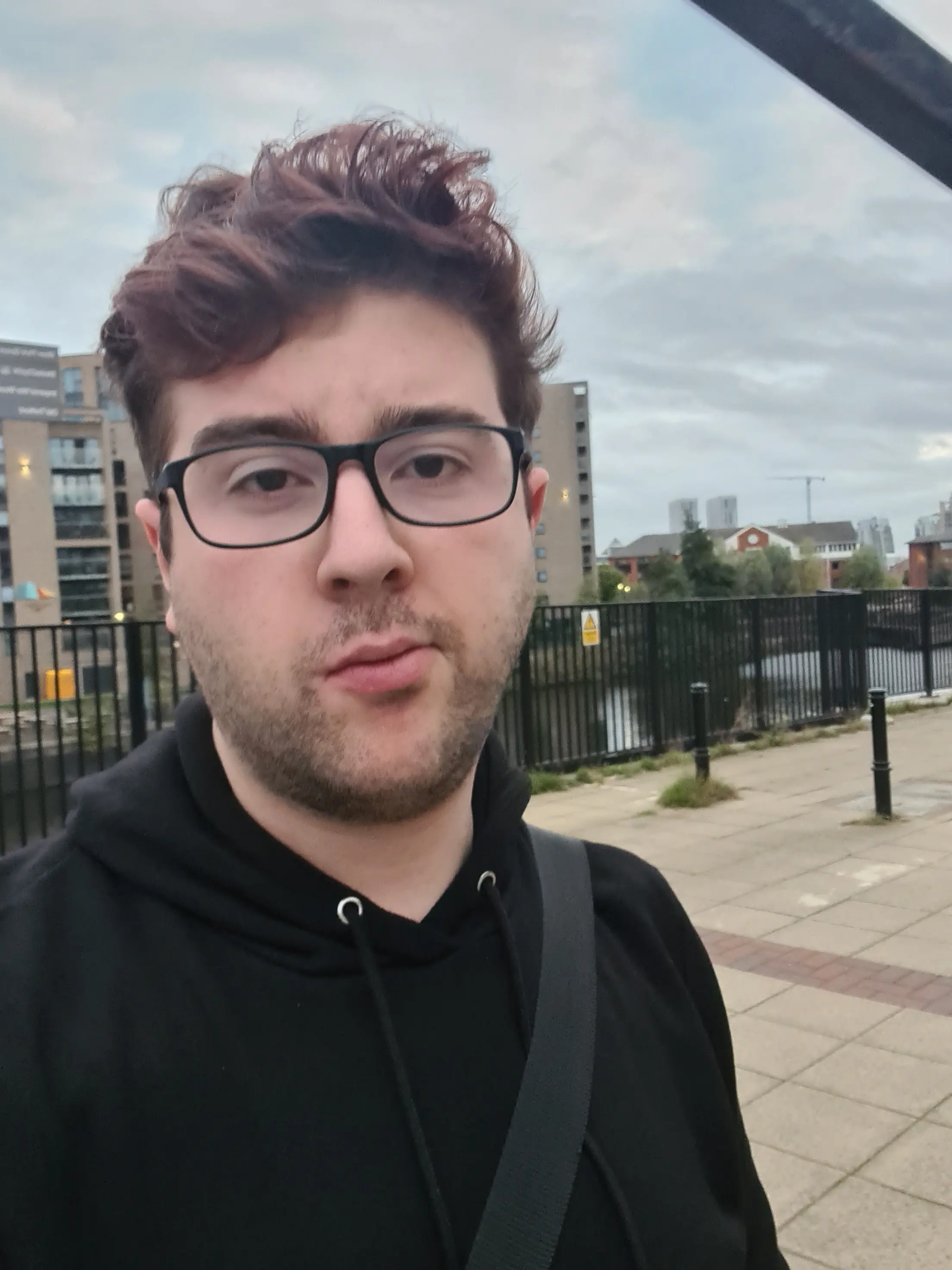
Dr Ben Reant
Jan. 2024 – Present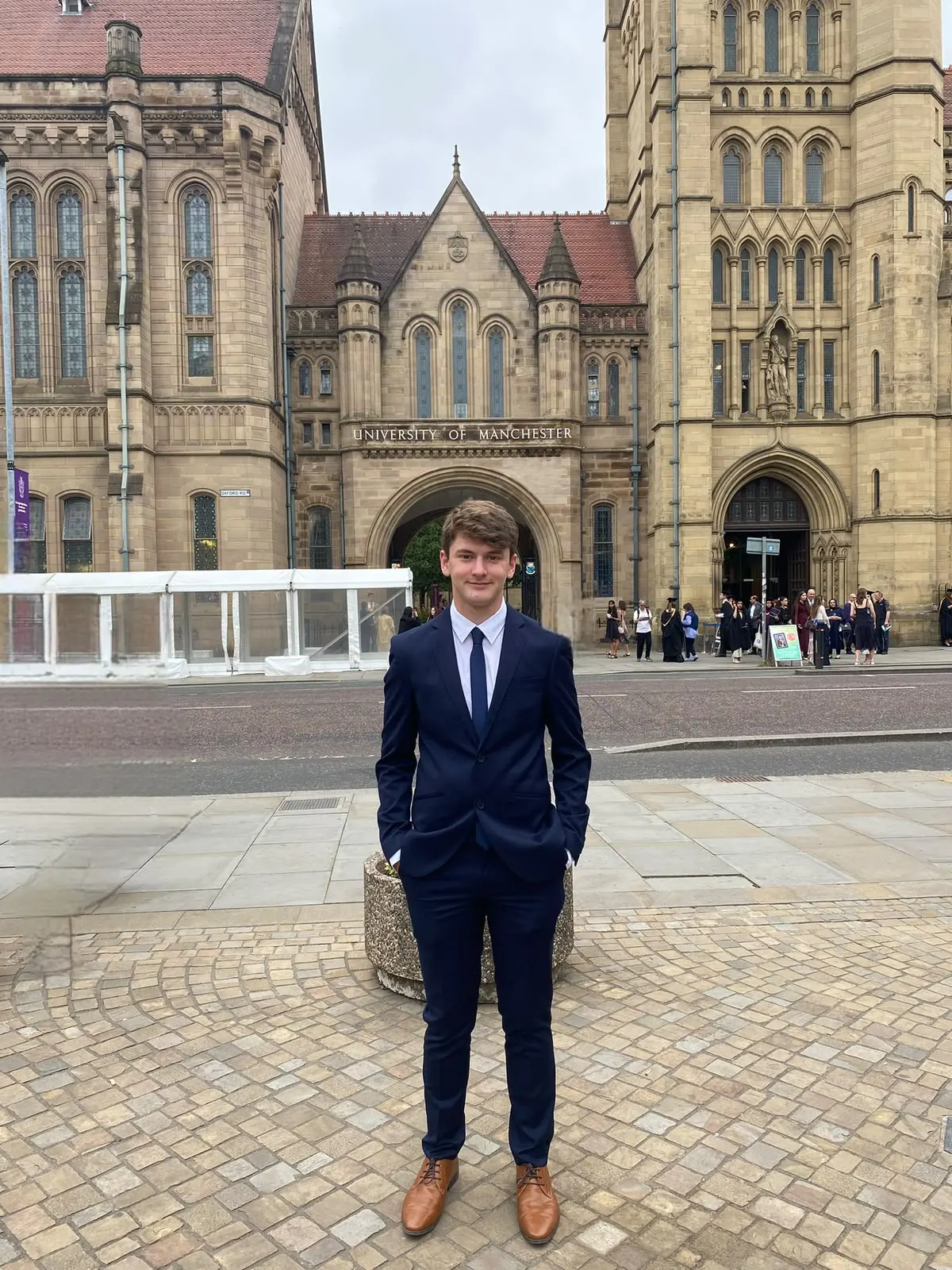
Benjamin Mullock
2026 – Present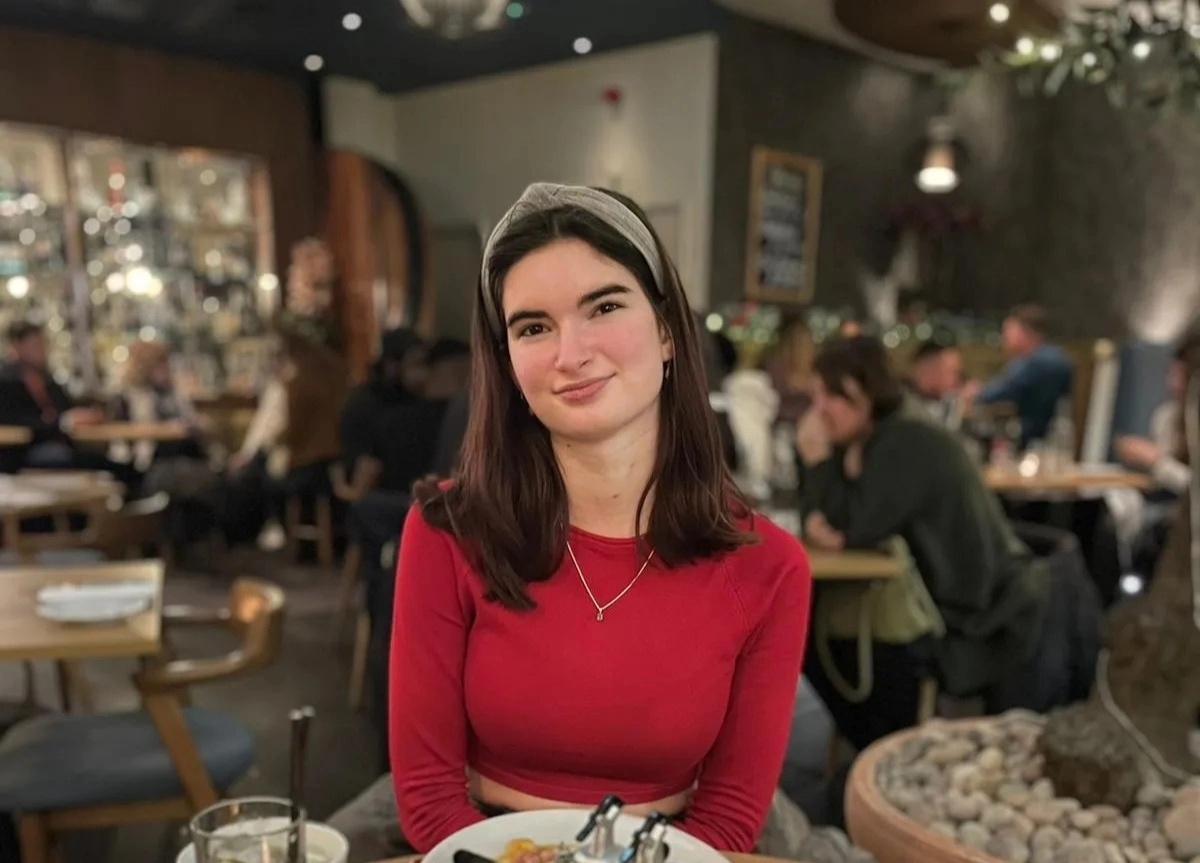
Kaitlin Robinson-Makin
2025 – Present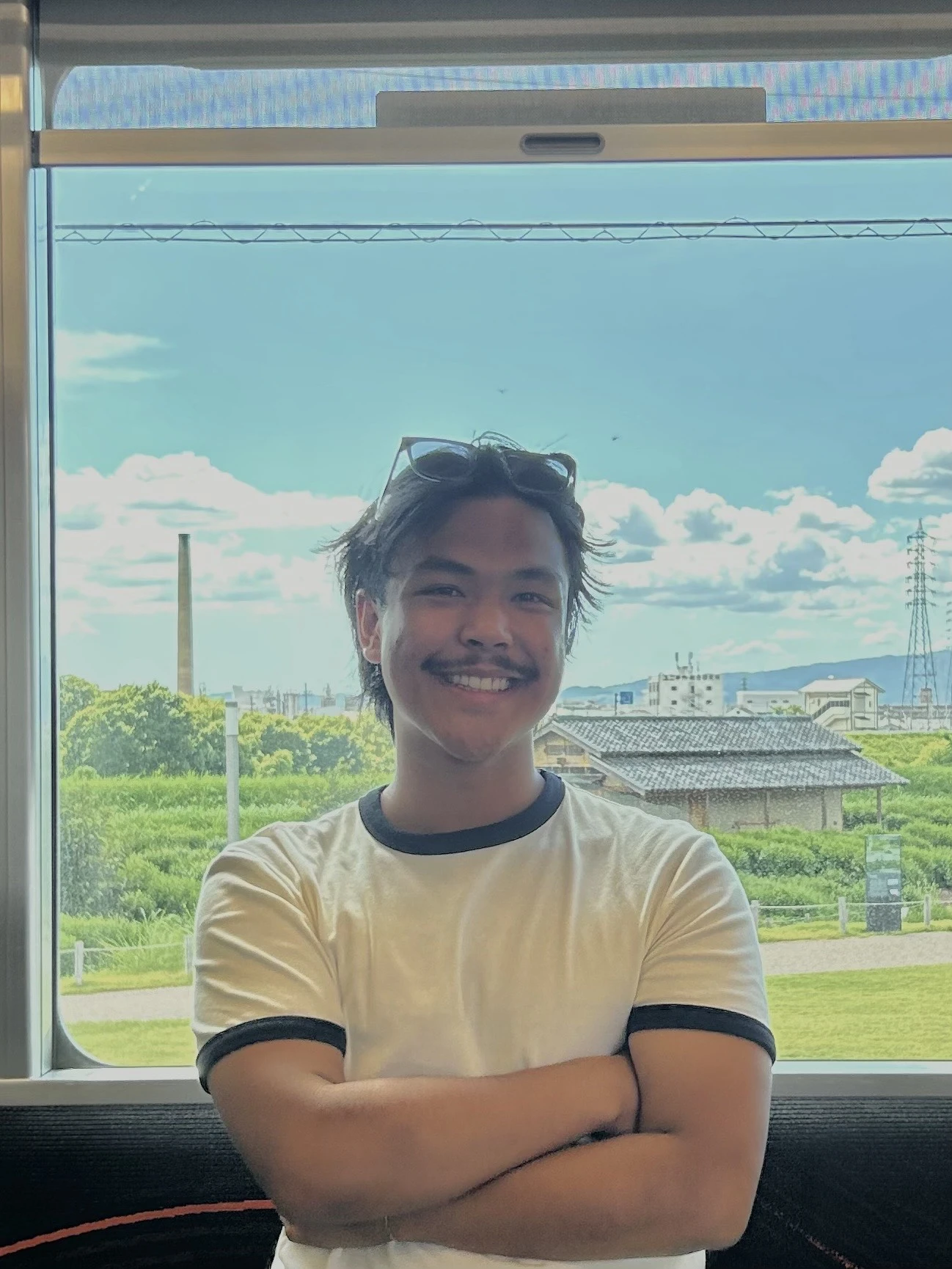
Stanley Bagio
2025 – Present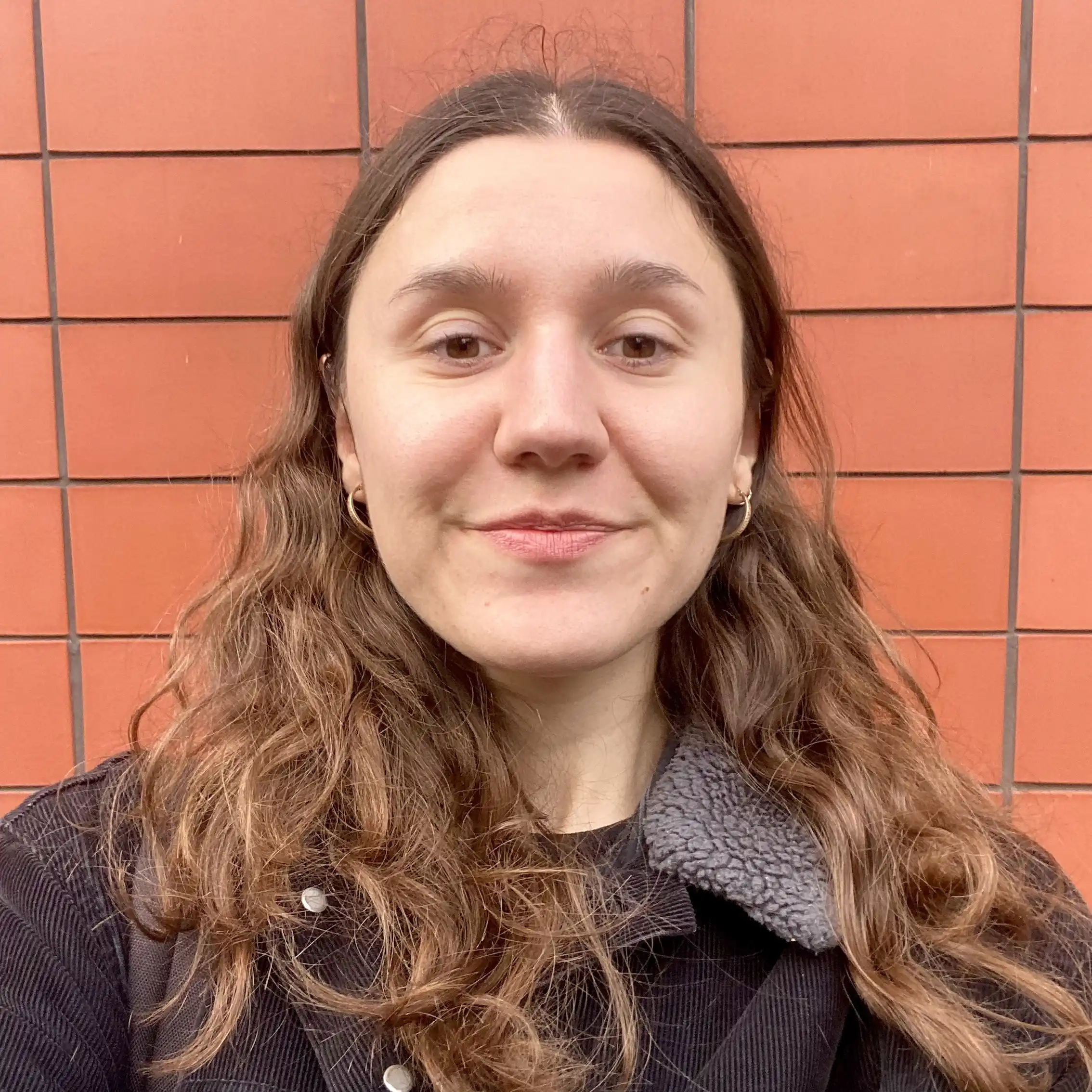
Iulia Turcas
2025 – Present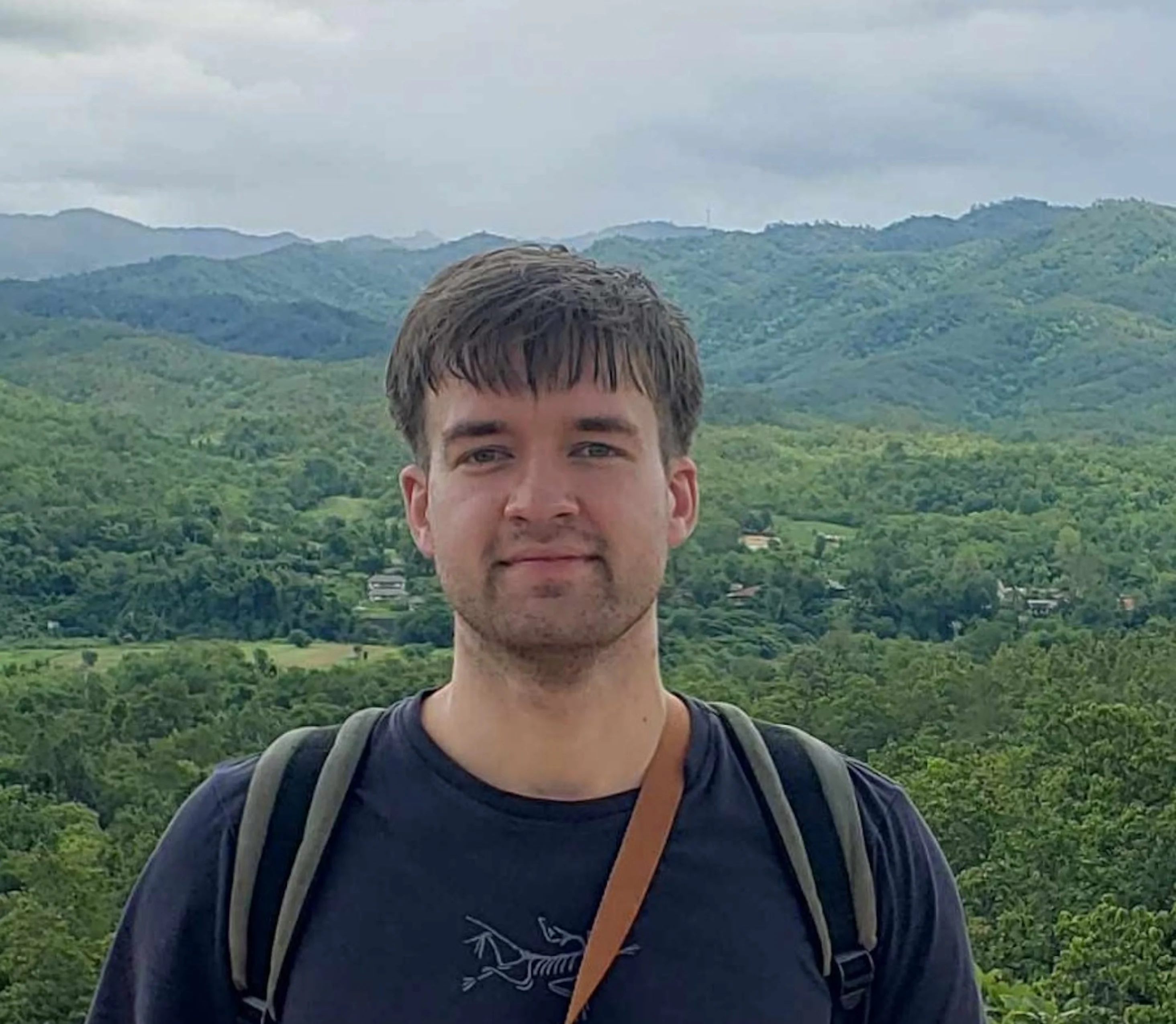
Charles Moir
2024 – Present
Orry Mayne
2024 – Present
Cameron Deakin
2023 – Present
Elliot Thaw
2026 - 2027
Charlotte (Charly) Schlebusch
2026Support
Our work is funded by